Zuschlags-Archiv: Details zur Position 27047885
| Abteilung | Antiquitäten |
| ID: | 27047885 |
| Katalog-Nummer | 03-05145 |
| Zuschlag | Die Preisanzeige benötigt Login und Newsletter-Bestellung |
| Auktionsjahr | 2026 |
| Zuschlagsdatum | - |
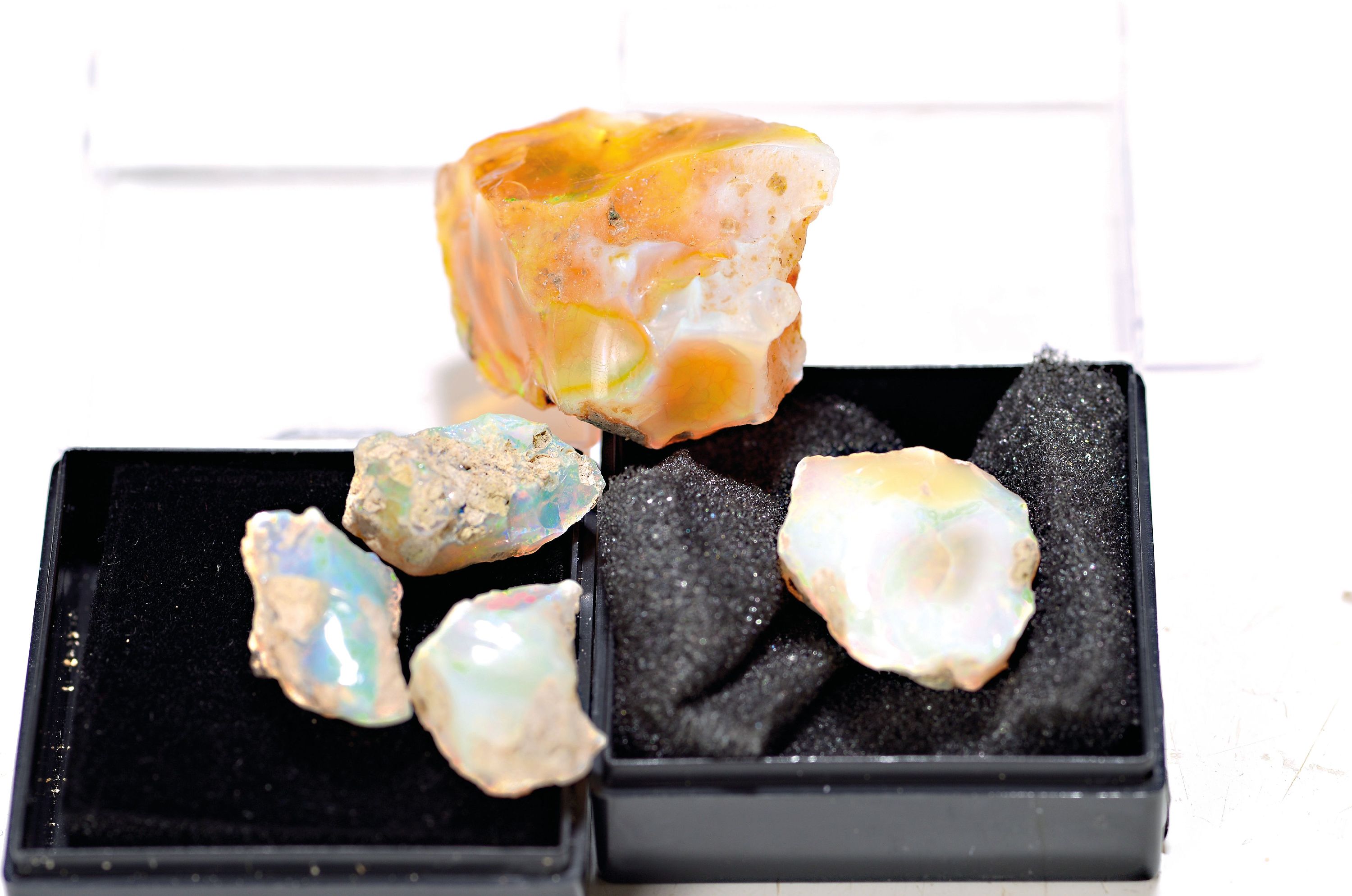
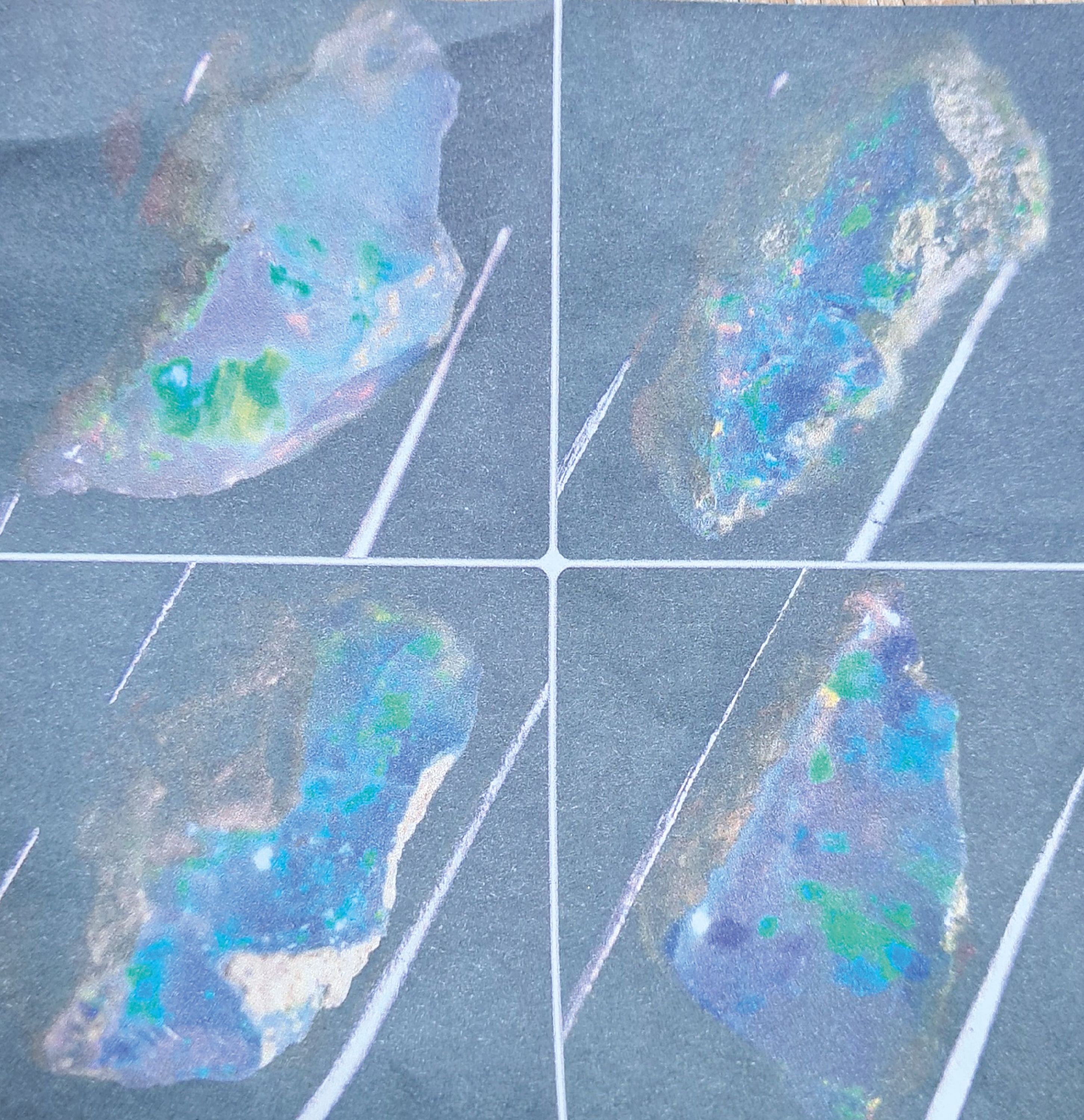
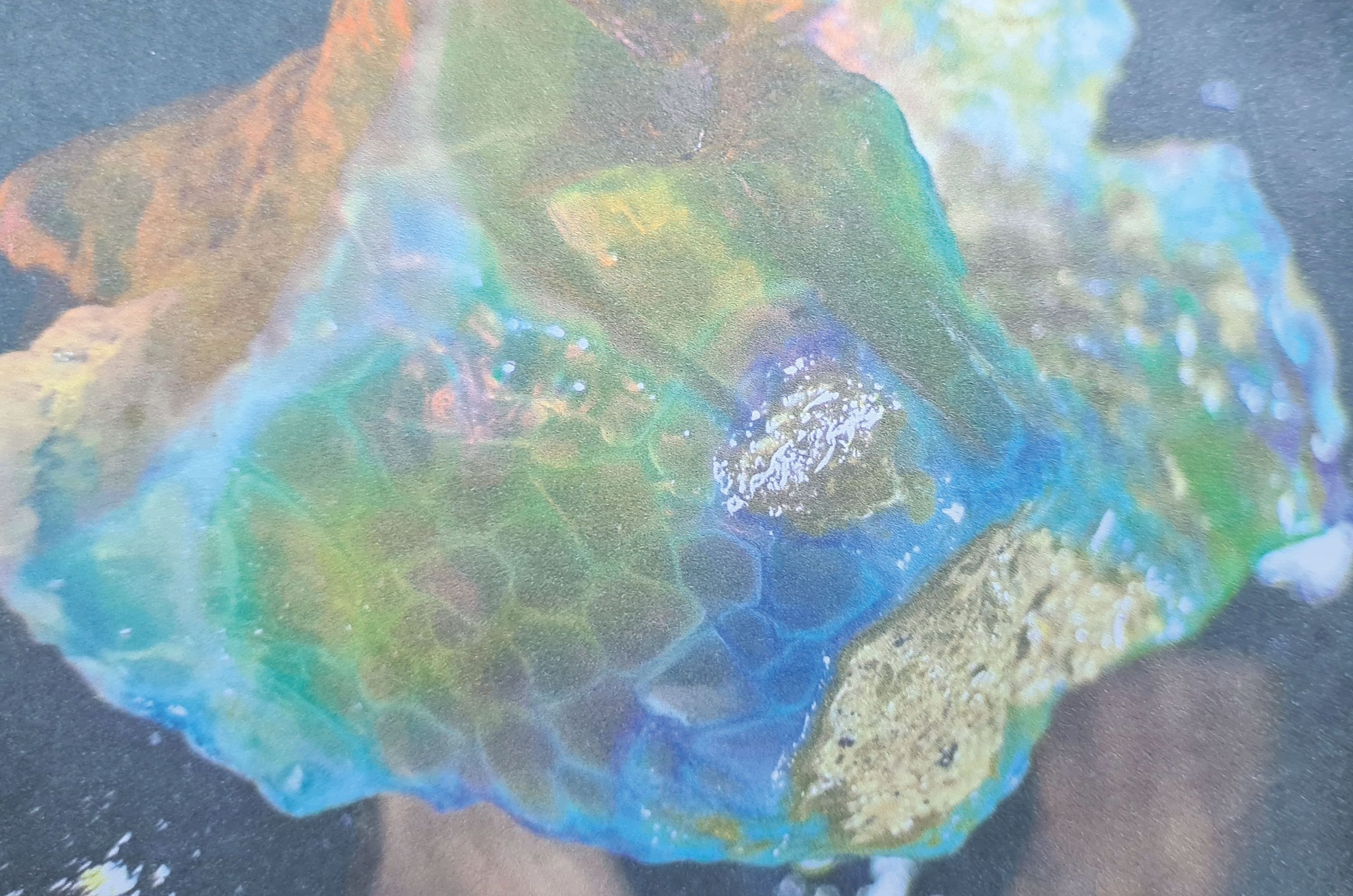
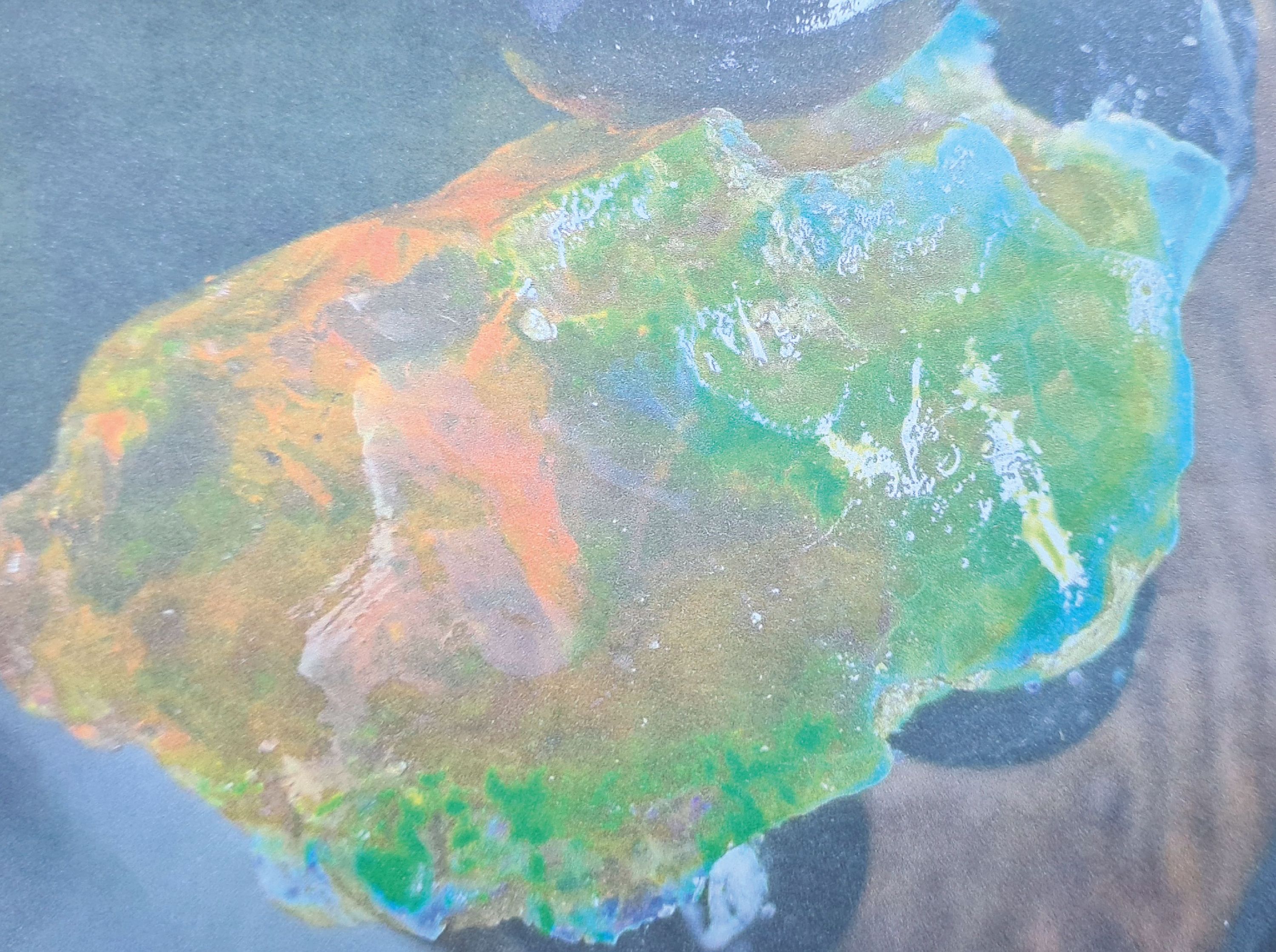
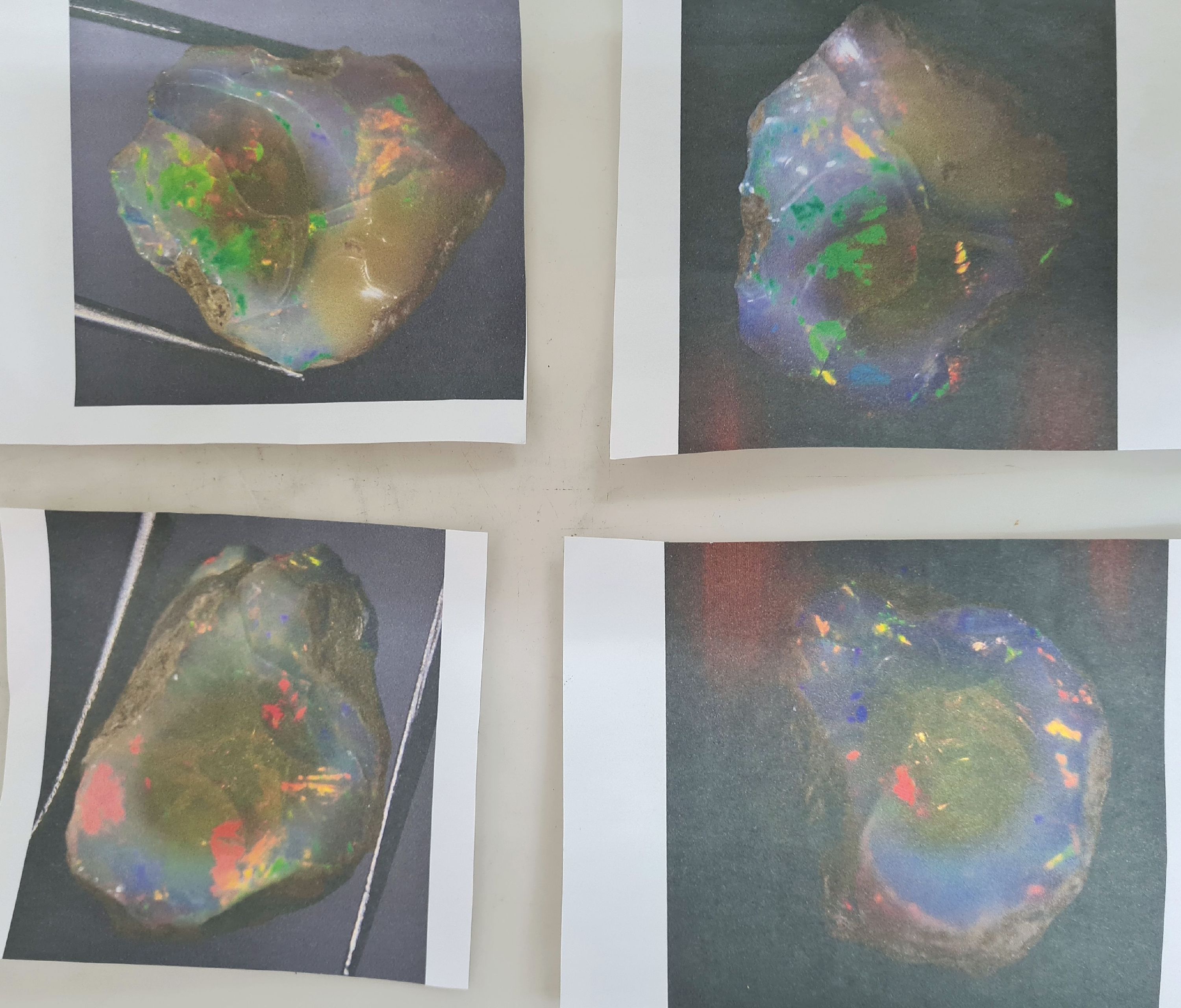
| Deutsche Beschreibung | Sammlung aus 6 natürlichen äthiopischen Opalen,1. Ct 32.70 grob 6.54g (4), 4 Rohopale von 20 -22 mm; 2. ein natürl. Opal ungeschliffen, geölt, mit einem Gewicht von 78.55 Karat (15,71g), 3x2.6 cm, sehr schönes Farbenspiel mit Bienenwaben; 3. natürl. Opal, ungeschliffen, geölt mit einem Gewicht von 23.90 Karat, 4.78 g, 2.4x1.9 cm; Opal ist eine hydratisierte Form von Silicimdioxid mit einem Wassergehalt von 3-21%, dies macht ihn zu einem hydrophilen Material, Opale entstehen bei relativ niedrigen Temperaturen u. können in Spalten fast aller Gesteine vorkommen, häufig in Limonit, Sandstein, Rhyolith, Mergel u. Basalt. Nur Edelopale weisen ein variables Zusammenspiel innerer Farben auf. Im mikroskopischen Bereich besteht er aus Siliciumdioxidkugenln mit eineD. von etwa 150-300 nm, die in einem hexagonalen o. kubisch dichtesten Gitter angeordnet sind. Sie erzeugen die inneren Farben durch Interferenz u. Lichtbeugung, das durch die Mikrostruktur des Opales durchtritt.Alle Detailfotos wurden mit einer hochauflösenden Kamera auf knochentrockenem Material aufgenommen um die Opale so realistisch wie möglich darzustellen |
| Englische Beschreibung | Collection of 6 natural Ethiopian opals, 1st Ct 32.70 roughly 6.54g (4), 4 raw opals of 20 -22 mm; 2. a natural Opal, unpolished, oiled, weighing 78.55 carats (15.71g), 3x2.6 cm, verybeautiful play of colors with honeycombs; 3. natural Opal, unpolished, oiled weighing 23.90carats, 4.78 g, 2.4x1.9 cm; Opal is a hydrated form of silicon dioxide with a water content of 3-21%, this makes it a hydrophilic material, opals are formed at relatively low temperatures and can occur in fissures in almost all rocks, often in limonite, sandstone, rhyolite, marl and basalt. Only precious opals have a variable interplay of internal colors. In the microscopic range it consists of silicon dioxide spheres with a diameter of approximately 150-300 nm, which are arranged in a hexagonal or cubic lattice. They create the inner colors through interference and diffraction of light that passes through the microstructure of the opal.All detailed photos were taken with a high- resolution camera on bone-dry material to represent the opals |
Hochaufgelöste Originalbilder